The SASSA R370 Social Relief of Distress (SRD) grant has become a lifeline for millions of South Africans who are struggling to make ends meet. With the grant extended until March 2027, it’s more important than ever to know whether you qualify, how your income affects eligibility, and what can cause your payments to be paused. Understanding the rules now could make the difference between receiving your support and being denied for a month. This guide explains everything in simple language, so you’ll know exactly how the grant works, how SASSA checks your income, and what common mistakes to avoid.
Table of Contents
What Is the SRD R370 Grant and Who Gets It?
The SRD R370 grant is a monthly payment of R370 provided by the government to adults in financial distress. Unlike permanent grants like the Old Age Grant or Disability Grant, the SRD grant is temporary and reviewed every month. It is designed to help people who have little to no income to cover essentials such as food, rent, and basic living costs.
To qualify, you must be a South African citizen, permanent resident, refugee, or hold a valid special permit, and be between 18 and 59 years old. Most importantly, your monthly income must be extremely low, or you risk losing your payment for that month.
Income Rules You Must Know for 2026
The biggest reason people get denied the SRD R370 grant is income exceeding the limit. The government has set a strict monthly income threshold of R624. If your monthly income or bank inflows go above this, your grant could be paused or denied for that month. Income includes all money deposited into your bank account, such as wages, money from family or friends, or other regular support. Even a one-off deposit could affect your eligibility if it pushes your monthly inflow above the threshold. Because the grant is checked every month, your eligibility can change month by month. This is why it’s so important to track your finances carefully and avoid surprises that could stop your payment.
How SASSA Verifies Your Eligibility
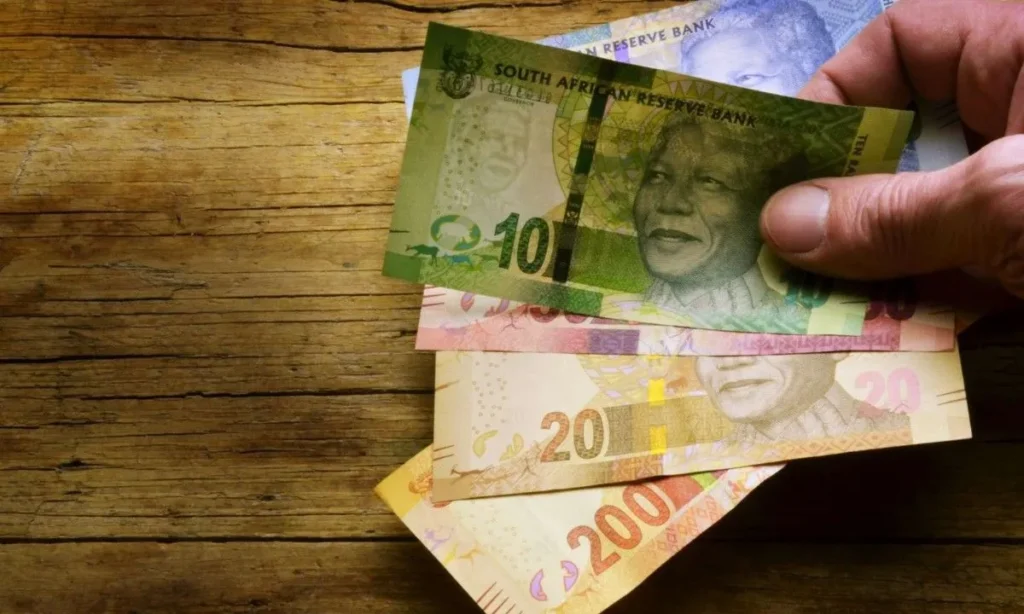
SASSA does not just take your word for it. They perform monthly checks to confirm your income and eligibility. This includes reviewing your bank account, verifying your identity and residency, and checking that you are not receiving other government support. Even after being approved, your grant could be stopped if there is new income, bank deposits, or other support in any given month. This monthly verification process is strict, but it ensures the grant goes to those who genuinely need it.
Common Mistakes That Can Cause Denials
Many people lose their SRD R370 payment due to simple mistakes. One common issue is bank deposits from relatives or small gifts, which may count as income and push you above the R624 threshold. Others include receiving UIF or NSFAS support, or not updating your contact details, which can prevent SASSA from confirming your eligibility. Staying proactive and checking your details regularly can help prevent unnecessary pauses in your grant.
Legal Controversies and Changes to Watch
The SRD grant has faced legal challenges, especially regarding the online application process and the income threshold. Courts have previously ruled parts of the rules unconstitutional, arguing they unfairly excluded many low-income South Africans. The government has appealed these decisions, stating that the rules are necessary to prevent abuse and keep the program financially sustainable. While debates continue, the R624 income threshold and monthly checks remain in effect for 2026. Staying updated on changes will help you maintain your grant without interruptions.
FAQs About the R370 SRD Grant
Q: Can I get the grant if I work part-time?
Yes, as long as your total monthly income and bank deposits remain below R624, you can still qualify.
Q: Does receiving money from family count as income?
Yes. Any deposits into your bank account can be counted as income and may affect eligibility for that month.
Q: What happens if my grant is denied for a month?
You can reapply the next month if your financial situation changes and your income falls below the R624 limit.
Q: Is the grant permanent?
No. The SRD R370 is temporary and currently extended until March 2027. Its continuation depends on government policy.
Q: How can I check my SRD status?
You can check your status on the official SASSA SRD portal or through approved online tools and USSD services.