The Department for Transport has finalized the administrative framework for the upcoming adjustments to the English National Concessionary Travel Scheme. These changes, set to take full effect in March 2026, represent a significant shift in how local authorities manage and verify free bus travel eligibility. While the core benefit of free off-peak travel remains protected by law, the transition toward a more rigorous digital verification system means that current and future pass holders must navigate new residency and identity requirements. This overhaul is designed to modernize the system and ensure that the funding, which exceeds $1000000000 annually across the UK, is allocated accurately to those who meet the statutory criteria.
Table of Contents
Enhanced Residency and Digital Verification Protocols
The most significant technical change arriving in March 2026 involves the introduction of a mandatory digital residency check. Historically, many councils accepted physical utility bills that were several months old; however, the new system will utilize real-time data sharing with national databases to confirm a claimant’s permanent address. Local authorities are implementing these digital verification checks to prevent the use of multiple passes across different jurisdictions. For passengers, this means that if you move to a new council area, your old bus pass will be deactivated automatically in the national system, requiring an immediate application for a new pass in your current region of residence.
Standardization of Off-Peak Travel Enforcement
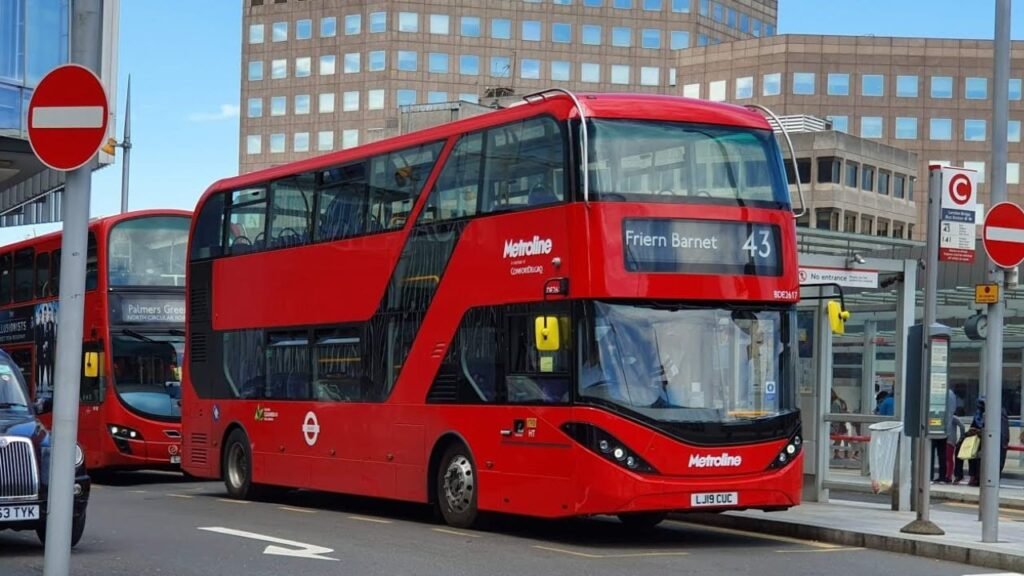
A key focus of the March 2026 rollout is the standardization of boarding times across all participating operators in England. While the statutory off-peak window has long been defined as starting at 9:30am on weekdays, some local authorities previously offered discretionary early-morning travel for certain groups. The 2026 guidelines encourage a stricter adherence to the 9:30am start time to manage peak-time congestion on local networks. Passengers should be aware that contactless card readers on buses are being reprogrammed to reject concessionary passes before this exact time, regardless of whether the driver is willing to allow early boarding.
Comparison of Concessionary Travel Systems by Region
| Region | Qualifying Age (Non-Disabled) | Travel Coverage | Companion Travel |
| England | State Pension Age (66+) | Local Buses Only | Local Discretion |
| Scotland | 60 Years Old | Bus, Some Ferry/Rail | Standardized |
| Wales | 60 Years Old | All Local Buses | Local Discretion |
| Northern Ireland | 60 Years Old | Bus and Rail | Standardized |
| England (London) | 60+ (Oyster Photocard) | All TFL Services | Not Standard |
Modernized Renewal and Disability Evidence Reviews
For those holding a bus pass under disability criteria, the March 2026 updates introduce a more frequent review cycle. To ensure that the scheme supports those with active mobility challenges, councils will now align their medical evidence reviews with the renewal dates of other benefits like Personal Independence Payment. If you qualified for a pass based on a temporary medical condition, you may be required to provide updated certification from a healthcare professional during your 2026 renewal. This administrative tightening aims to reduce the volume of inactive or ineligible passes currently in circulation, which costs local taxpayers significant amounts in unnecessary administrative fees.
Managing the 2026 Transition
The most practical step for any pass holder today is to verify the expiration date printed on their current card. If your card expires in or after March 2026, you will likely be among the first to use the new online portal for renewals. Expert insight suggests that you should ensure your name and address precisely match the records held by the Department for Work and Pensions, as any mismatch could flag your application for manual review, causing a delay in the issuance of your new pass. For those who are not digitally literate, councils are required to maintain a telephone or in-person support service, though these may face higher volumes as the March deadline approaches.
Key Takeaways
- Free off-peak bus travel remains a statutory right for eligible groups in 2026.
- New digital residency checks will be used to prevent fraud and multi-pass usage.
- Weekday travel start times are being strictly standardized to 9:30am in most areas.
- Disability-based passes may require more frequent medical evidence updates.
- Renewal notices for 2026 may arrive earlier than usual to facilitate the new verification process.