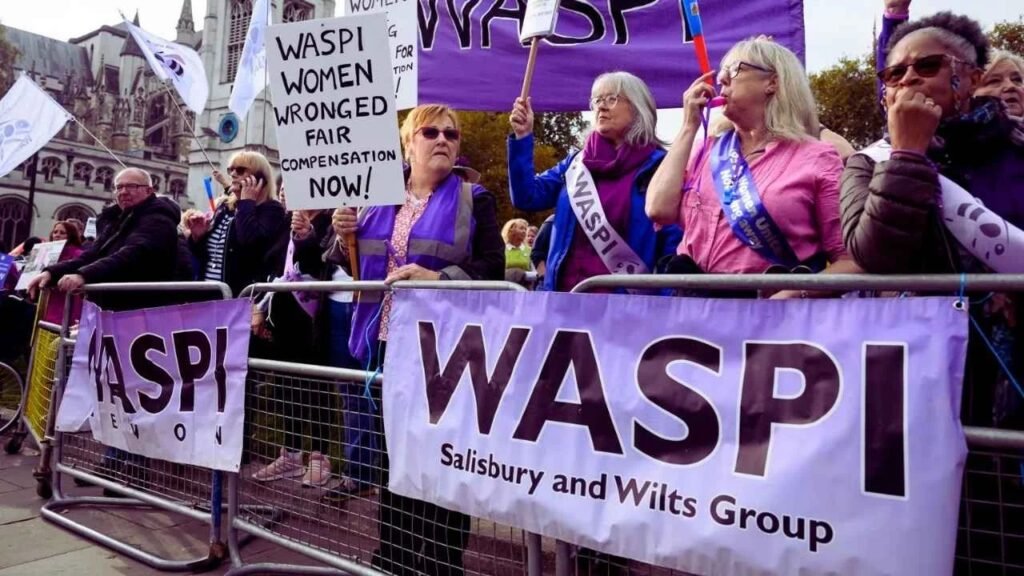
The long-standing dispute regarding the State Pension age transition for women born in the 1950s has reached a critical juncture. The Department for Work and Pensions has entered a period of intense scrutiny following the Parliamentary and Health Service Ombudsman recommendations for financial redress. At the heart of this discussion is the WASPI payout, a proposed compensation scheme aimed at addressing the maladministration in how pension age changes were communicated. For millions of women who saw their retirement plans disrupted with little warning, the current month marks a pivotal time for tracking eligibility and understanding the technical bands of compensation that may be applied to individual cases.
Table of Contents
The Role of Maladministration in Compensation Claims
The push for a financial remedy is not based on the legality of the pension age increase itself, but on the failure of government agencies to provide adequate notice. Investigations concluded that the transition from age 60 to 66 for women was poorly publicized, leaving many without the necessary time to adjust their private savings or employment contracts. In 2026, the technical definition of maladministration serves as the legal floor for all compensation discussions. The ombudsman highlighted that the delay in issuing direct mail notifications constituted a significant service failure. Consequently, the proposed payments are categorized as a remedy for the loss of opportunity and the resulting emotional and financial distress, rather than a back-payment of the pension itself.
Understanding the Suggested Compensation Bands
The figure of $2950 has emerged as a primary benchmark within a multi-tiered compensation structure. Under the proposed 2026 framework, the government is considering a system that categorizes impact into different levels of severity. These levels range from Level 1, covering minor inconvenience, to higher levels intended for those who suffered significant financial hardship. The $2950 amount aligns with a Level 4 recommendation, which addresses cases where the communication failure had a direct and lasting impact on a person’s life choices. Because the impact varied depending on a woman’s exact birth date and the timing of the notice she eventually received, the payout is not expected to be a flat rate for every claimant.
Comparison of Proposed Compensation Levels
| Severity Level | Impact Description | Proposed Payout Range | Eligibility Requirement |
| Level 3 | Moderate distress and loss of transition time | $500 – $1500 | Confirmed birth date in the 1950s |
| Level 4 | Significant life impact and financial disruption | $1500 – $2950 | Evidence of limited notice period |
| Level 5 | Major permanent impact on retirement planning | $2950 – $5000 | Proof of specific financial hardship |
| Level 6 | Profound and life-changing maladministration | Over $5000 | Rare cases of extreme medical/financial loss |
Administrative Procedures for Verification in 2026
For a compensation scheme of this scale to function, a robust verification process is being designed to prevent fraud and ensure accuracy. Unlike the standard State Pension, which is paid automatically based on National Insurance records, the WASPI payout will likely require a formal application. This process will involve cross-referencing DWP records of when notification letters were actually sent against the claimant’s birth date. In February 2026, digital portals are being tested to allow women to submit evidence of how the lack of notice affected their ability to work or save. This administrative layer is essential because the cost of a universal, non-verified payout would exceed $10000000000, creating significant fiscal challenges.
Preparing Your Documentation Today
For women born between April 1950 and April 1960, the most practical step to take right now is the organization of a retirement timeline. Expert insight suggests that you should not wait for the government portal to open before gathering your facts. Start by identifying the exact date you became aware that your State Pension age had increased. Look for old correspondence from the DWP or your employer from the years 2009 to 2013. If you had to take out a high-interest loan or sell assets because your pension did not arrive at age 60 as expected, keep those records handy. Having a clear, evidence-based narrative of your financial journey will be the most effective way to ensure you are placed in the correct compensation band once the final approval is granted.
Key Takeaways
- The $2950 figure is a mid-range target based on ombudsman recommendations.
- Compensation is for communication failures, not for the pension age increase itself.
- Eligibility is primarily for women born between 1950 and 1960.
- A tiered system means individual payouts will vary based on assessed impact.
- Official application portals are the only safe way to claim; avoid third-party fee-charging services.